
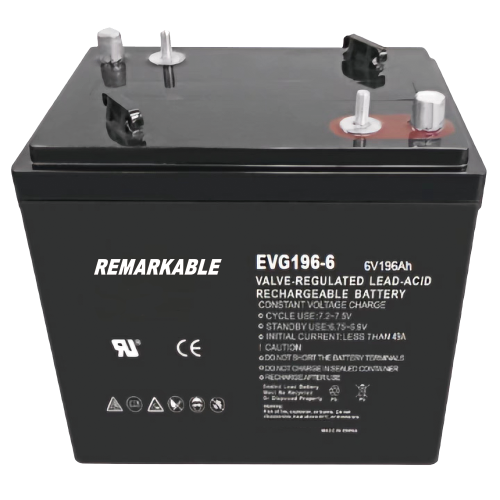
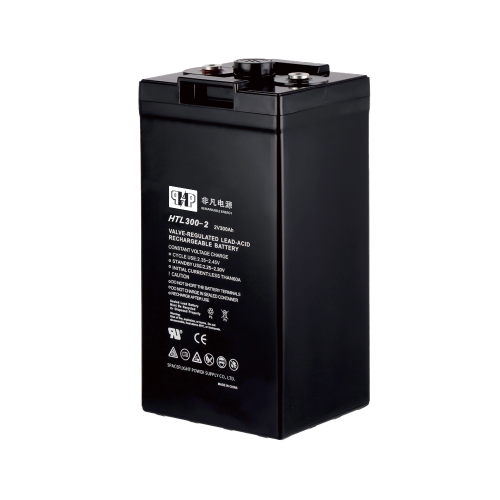
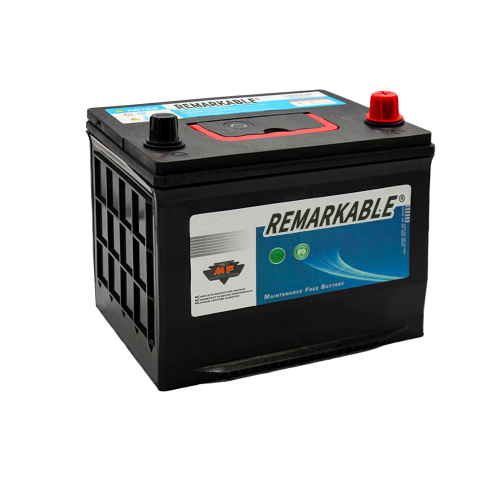
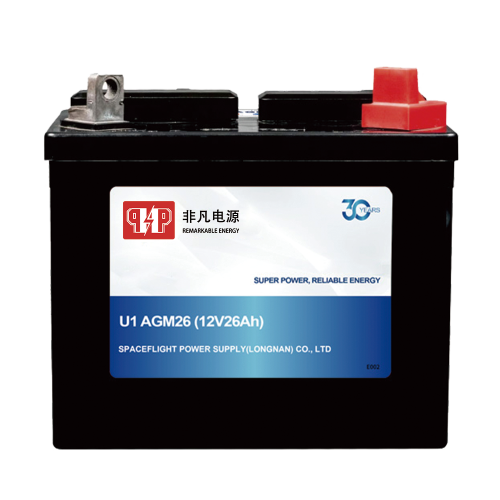
In the realm of telecommunication, where uninterrupted power supply is non-negotiable, the choice of Backup Battery technology directly impacts network reliability, operational efficiency, and long-term cost-effectiveness. As a telecom power systems expert with over a decade of experience optimizing critical infrastructure, I’ve witnessed firsthand how 12v AGM Batteries have emerged as the gold standard—outperforming traditional 12V lead acid batteries and solidifying their role as the backbone of modern telecom networks. Today, we’ll dive into why 12V AGM Batteries, a subset of 12V VRLA Batteries (Valve-Regulated Lead-Acid), are the superior choice for telecom applications, how they compare to other 12V Rechargeable batteries, and the key considerations for deploying them to ensure maximum uptime.
Understanding the Telecom Power Imperative: Why 12V Rechargeable Batteries Are Non-Negotiable
Telecommunication networks—from cell towers and data centers to fiber optic hubs and remote base stations—rely on consistent, stable power to maintain connectivity 24/7. Even a single minute of downtime can result in millions in lost revenue, damaged customer trust, and regulatory penalties. This is where 12V rechargeable batteries come into play: they serve as the critical backup power source when grid power fails, ensuring seamless transition and continuous operation until primary power is restored.
Not all 12V rechargeable batteries are created equal, however. The telecom industry demands solutions that are reliable, low-maintenance, compact, and capable of withstanding harsh environmental conditions—from extreme temperatures to high vibration. This is why 12V AGM batteries have surpassed traditional 12V lead acid batteries in popularity, and why they are the preferred variant of 12V VRLA Batteries for telecom deployments.
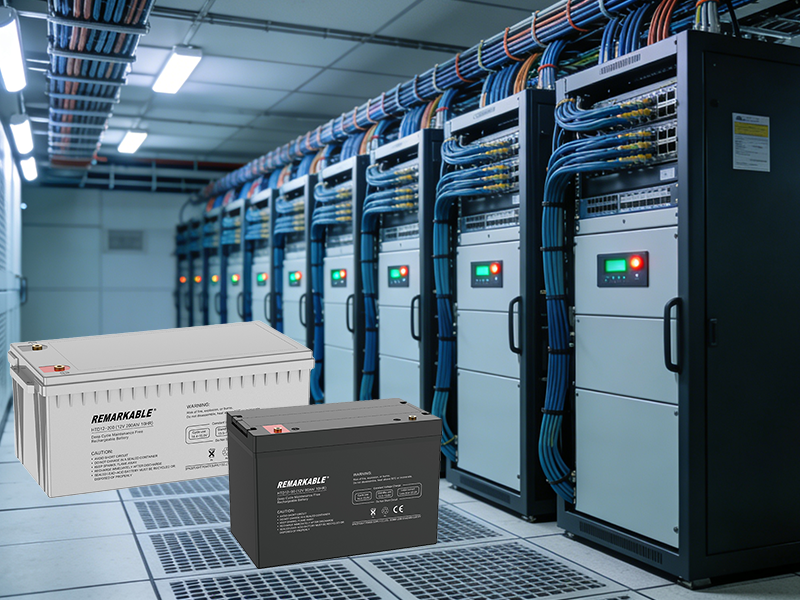
12V AGM Batteries vs. Traditional 12V Lead Acid Batteries: A Clear Advantage
Traditional 12V lead acid batteries (flooded lead-acid) have long been used in backup power applications, but their limitations make them ill-suited for the demands of modern telecom infrastructure. Flooded lead-acid batteries require regular maintenance—including topping off electrolyte levels, monitoring for acid leaks, and ensuring proper ventilation to prevent hydrogen gas buildup. This is impractical for remote telecom sites, where access is limited and maintenance costs are high.
12V AGM batteries (Absorbent Glass Mat) address these critical pain points. As a type of 12V VRLA Battery , AGM technology uses a fiberglass mat to absorb the electrolyte, eliminating the risk of leakage and making the battery completely sealed. This design not only eliminates the need for regular electrolyte checks but also allows for flexible installation—AGM batteries can be mounted in any orientation, a key advantage in space-constrained telecom cabinets and 19”/23” ETSI racks commonly used in the industry.
Beyond maintenance, 12V AGM batteries outperform traditional 12V lead acid batteries in several key areas: they have a lower self-discharge rate (less than 3% per month at 20°C), faster charging capabilities (up to 5x faster than flooded lead-acid), and superior vibration resistance—critical for cell towers and mobile telecom units that are exposed to constant movement or harsh weather conditions. Additionally, AGM batteries offer a longer service life, with a design life of 8-12 years in float service at 25°C, compared to 2-3 years for standard flooded lead-acid batteries.
12V AGM Batteries as the Premier 12V VRLA Battery for Telecom
12V VRLA batteries encompass two primary types: AGM and gel-cell batteries. While both are sealed and low-maintenance, 12V AGM batteries are better suited for telecom applications due to their superior high-rate discharge performance and faster recharge times. Telecom systems require batteries that can deliver high currents quickly during power outages to support critical equipment—such as transceivers, routers, and backup generators—and AGM technology excels in this regard.
Gel-cell batteries, while durable in high-temperature environments, have a slower discharge rate and are more sensitive to overcharging, making them less ideal for the dynamic power demands of telecom networks. AGM batteries, on the other hand, are more resilient to overcharging and can handle deeper discharge cycles without compromising performance—a critical feature for telecom backup systems that may be called into service for extended periods. This resilience is further enhanced by advanced design features such as thick lead-calcium grids, high-purity electrolyte, and flame-retardant ABS casings, which ensure compliance with international standards like IEC 60896-21/22 and UL 94-V0.
Key Considerations for Deploying 12V AGM Batteries in Telecommunication
As a telecom power expert, I emphasize that proper deployment and maintenance—even for low-maintenance 12V AGM batteries—are critical to maximizing performance and lifespan. Here are the key best practices:
Temperature Control: Temperature is the single most significant factor affecting battery lifespan. For every 10°C above 25°C, the lifespan of a 12V AGM Battery is halved. Telecom operators should ensure batteries are installed in ventilated, temperature-controlled enclosures, maintaining an optimal range of 20-25°C. In extreme environments, auxiliary cooling systems or thermal monitoring with predictive algorithms can help prevent thermal runaway and extend battery life.
Proper Charging Parameters: 12V AGM batteries require a float charge voltage of 13.5-13.8V at 25°C (2.25-2.30V per cell) to prevent sulfation and ensure long-term reliability. Overcharging or undercharging can damage the battery’s internal plates and reduce capacity. Implementing a smart charging system with voltage regulation is essential for preserving battery health.
Regular Inspections: While 12V AGM batteries are low-maintenance, quarterly visual inspections and terminal cleaning are recommended. Use a 3:1 baking soda-water paste to clean corroded terminals, and apply anti-oxidation gel after cleaning to prevent future buildup. Annual capacity testing (per TIA-4926 standards) and quarterly impedance testing for mission-critical sites help identify cell degradation early, before failures occur.
Load Management: Avoid deep discharge cycles whenever possible, as excessive depth of discharge (DOD) shortens battery lifespan. Implement low-voltage disconnect systems and accurate load assessments to ensure the battery is only used when necessary, and maintain detailed records of discharge cycles and maintenance activities to track performance trends.
The Future of Telecom Backup Power: Why 12V AGM Batteries Will Remain Indispensable
As telecom networks evolve—with the expansion of 5G, IoT, and edge computing—the demand for reliable backup power will only grow. 12V AGM batteries are uniquely positioned to meet this demand, thanks to their proven reliability, low maintenance, and compatibility with modern telecom equipment. Unlike lithium-ion batteries, which offer longer cycle life but come with higher upfront costs and safety concerns (e.g., thermal runaway), 12V AGM batteries provide a cost-effective, safe, and robust solution that aligns with the telecom industry’s need for long-term, low-risk power backup.
Moreover, 12V AGM batteries are fully compliant with global telecom standards (including YD/T799 and BS6290 part4) and can be easily integrated into existing power systems, making them a versatile choice for both new installations and retrofits. Their front-terminal design further simplifies installation and maintenance in rack-mounted telecom cabinets, reducing operational downtime and labor costs.
Final Expert Insight
For telecom operators and infrastructure managers, the choice of backup battery is not just a technical decision—it’s a strategic one that impacts network reliability, operational costs, and customer satisfaction. 12V AGM batteries, as a leading 12V VRLA battery variant, outperform traditional 12V lead acid batteries and other 12V rechargeable batteries in nearly every critical metric for telecom applications. By following best practices for deployment and maintenance, telecom organizations can ensure their 12V AGM batteries deliver consistent, uninterrupted power for years to come—protecting their investments and keeping communities connected.
In summary, when it comes to powering the backbone of modern telecommunication, 12V AGM batteries are not just a choice—they are the industry standard. Their reliability, durability, and low-maintenance design make them the ideal backup power solution for the demanding, 24/7 world of telecom.