
If you’ve ever sourced backup power, built a renewable energy system, or specified industrial power equipment, you’ve undoubtedly encountered the GEL Battery. For decades, deep cycle gel battery technology has flown under the radar for many mainstream buyers, overshadowed by AGM and lithium alternatives. Yet in mission-critical, long-cycle, and extreme-environment applications, it remains the most reliable, cost-effective, and underrated power solution on the market.
As a power storage industry specialist with over a decade of experience designing battery systems for telecom, nuclear power, marine, and renewable energy projects, I’ve seen countless users make avoidable mistakes: overcharging their gel units, misapplying them in short-cycle setups, or dismissing them as “outdated” despite their unique technical strengths. Most online guides only scratch the surface of gel battery capabilities, skipping the nuanced engineering and application-specific secrets that separate amateur setup from professional-grade reliability.
In this comprehensive guide, we’re breaking down 10 little-known secrets of GEL batteries that industry insiders rely on daily. We’ll cover core technical advantages, hidden lifespan hacks, critical installation rules, and real-world use cases spanning telecom battery setups, inverter battery systems, uninterruptible power supplies, and industrial-grade infrastructure. By the end, you’ll understand why deep cycle gel batteries remain irreplaceable for high-stakes global power systems—and how to maximize their performance for your projects.
Secret 1: GEL Batteries Eliminate the #1 Failure Mode of Traditional Lead-Acid Batteries
Most users assume all sealed lead-acid batteries perform similarly, but the core chemistry of a GEL Battery solves a fatal flaw of flooded and AGM batteries: acid stratification. Traditional liquid electrolyte batteries suffer from uneven acid density over time—heavier sulfuric acid sinks to the bottom of the cell, leaving weak acid at the top. This imbalance causes inconsistent charging, plate corrosion, and premature cell failure, even with regular maintenance.
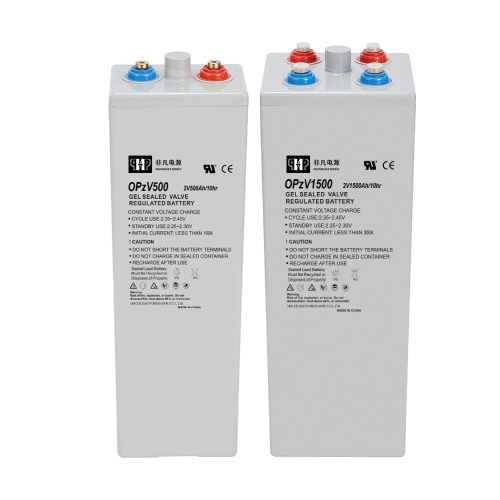
GEL technology revolutionizes this process by mixing sulfuric acid with fumed silica to create a stable, thixotropic gel electrolyte. This semi-solid structure immobilizes the electrolyte completely, eliminating stratification for the entire service life of the battery. For deep cycle gel battery units designed for repeated charge-discharge loops, this means uniform chemical reactions across all battery plates in every cycle.
The real-world impact is staggering: properly maintained gel batteries deliver 30–50% longer cycle life than standard AGM batteries under identical deep-discharge conditions. This secret is why industrial engineers prioritize gel batteries for cyclic applications where other lead-acid variants fail prematurely, including solar wind energy systems and frequent-cycle inverter battery setups.
Secret 2: Deep Cycle Gel Batteries Have Unique Temperature Resilience (Hot & Cold)
A common industry myth claims lithium batteries are the only viable option for extreme temperatures. In reality, deep cycle gel battery units outperform nearly all mainstream battery types in both high-heat and subzero environments—a secret overlooked in most consumer-focused battery guides.
The dense gel electrolyte acts as a natural thermal stabilizer. In high-temperature environments (up to 60°C), gel batteries resist thermal runaway and accelerated self-discharge, a critical advantage for outdoor renewable energy systems, desert telecom sites, and uncooled power station facilities. Unlike AGM batteries, which degrade rapidly above 35°C, gel units maintain stable capacity and chemical integrity in sustained heat.
In subzero conditions, the gel’s modified silica formulation prevents electrolyte freezing and plate damage, retaining usable capacity at temperatures as low as -40°C. This makes GEL Battery units indispensable for marine equipment operating in polar waters, remote wind farms, and cold-region emergency security systems. For industrial users, this temperature resilience translates to lower replacement costs and consistent uptime in locations where other batteries fail seasonally.
Secret 3: Telecom Battery Grade GEL Units Are Engineered for 24/7 Float Service
When you hear the termtelecom battery, most people picture generic backup batteries—but professional-grade gel telecom batteries are purpose-built for the unique demands of communication and telecommunication control equipment, with a hidden design feature that sets them apart: optimized float-cycle tolerance.
Telecom infrastructure requires non-stop standby power, with batteries holding a constant float charge for months or years, only activating during grid outages. Standard deep-cycle batteries degrade quickly under permanent float charging, developing internal sulfation and capacity loss. In contrast, telecom-specific GEL Battery units feature custom plate alloys and gel density formulations that resist sulfation during long-term float service.
This secret design optimization allows gel telecom batteries to deliver 15–20 year service life in stationary standby mode, far exceeding AGM alternatives. Every global telecom tower, remote communication hub, and network control room relies on this unsung capability to maintain uninterrupted data and voice transmission. For system integrators, choosing gel telecom batteries eliminates the frequent maintenance and replacement cycles that plague lower-grade battery setups.
Secret 4: GEL Inverter Battery Systems Require Precision Charging (Not Generic Charging)
One of the costliest mistakes users make with inverter battery gel setups is using universal lead-acid chargers. A little-known technical secret: GEL Battery chemistry demands strictly regulated charging voltages, with zero tolerance for overcharging or voltage fluctuation.
Unlike flooded batteries that can vent excess pressure and tolerate minor overcharging, gel batteries are fully sealed valve-regulated units. Overcharging causes internal gas buildup that cannot escape gradually, leading to permanent gel matrix cracking, plate delamination, and irreversible capacity loss. The optimal charging window for deep cycle gel batteries is extremely narrow: 13.8–14.2V for 12V units, compared to 14.4–14.7V for AGM batteries.
For solar inverter, home backup, and off-grid inverter systems, matching a gel-specific charger or inverter controller is non-negotiable. Industry professionals always calibrate charge controllers to gel-specific parameters, a simple tweak that doubles battery lifespan. This secret explains why identical gel batteries last 3–5 years for amateur users but 8–10 years in professional inverter battery installations.
Secret 5: Gel Batteries Are the Safest Choice for Emergency & Security System Redundancy
Emergency and security systems—including fire alarms, burglar alarms, and building safety control panels—require fail-safe power sources, and deep cycle gel battery technology holds a critical safety secret most system designers overlook: zero spillage and fire-resistant stability.
The solid gel electrolyte eliminates all risk of acid leakage, even if the battery casing is cracked, punctured, or deformed during emergencies like fires, earthquakes, or structural damage. Unlike liquid batteries that leak corrosive acid and create fire hazards, gel batteries remain chemically stable in catastrophic scenarios. Additionally, their low self-discharge rate ensures long-term standby readiness, maintaining full charge during months of inactivity.
For commercial buildings, industrial facilities, and residential complexes, gel batteries are the unrecognized backbone of reliable emergency systems. They meet strict global safety certification standards for life-safety equipment, providing consistent backup power when grid failure occurs. This safety profile is why fire and security system manufacturers exclusively specify gel batteries for high-reliability redundant power setups.
Secret 6: Nuclear & Conventional Power Stations Rely on Gel Battery Redundancy
Few outside the power industry know that electric power systems—including conventional power stations and nuclear power stations—depend heavily on GEL Battery units for critical auxiliary power. Grid-scale power facilities require uninterrupted control power for turbine monitoring, safety shutdown systems, and grid regulation equipment, and gel batteries are the only lead-acid variant approved for nuclear-grade auxiliary backup.
The secret behind this industry preference is extreme operational stability and vibration resistance. Power station environments feature constant mechanical vibration, electromagnetic interference, and fluctuating ambient temperatures. The rigid gel electrolyte locks active plate materials in place, preventing vibration-induced plate wear and internal short circuits—common failures in AGM and flooded batteries in industrial power settings.
Deep cycle gel batteries provide reliable standby power for emergency shutdown sequences, sensor systems, and communication links during grid faults or station outages. Their long service life and zero-maintenance design also reduce inspection and replacement frequency for hard-to-access power station battery banks, making them a cost-efficient, low-risk solution for mission-critical power infrastructure.
Secret 7: Renewable Energy Systems Maximize ROI With Deep Cycle Gel Battery DOD Tolerance
Solar and wind renewable energy systems operate on variable, intermittent power generation, creating irregular deep-discharge cycles that destroy standard batteries. A key industry secret: deep cycle gel battery units have the highest safe Depth of Discharge (DOD) tolerance among all sealed lead-acid batteries, directly boosting renewable energy system ROI.
While AGM batteries suffer severe lifespan loss when discharged beyond 50% DOD, gel batteries safely handle 60–70% DOD consistently without permanent damage. This means solar and wind storage systems using gel batteries utilize far more stored energy per cycle, reducing the required battery bank capacity and upfront system costs. Their slow self-discharge rate also preserves stored energy during extended low-irradiance or low-wind periods.
Off-grid solar homes, remote wind farms, and hybrid renewable microgrids all benefit from this unique capability. Unlike lithium batteries that require complex battery management systems (BMS) and suffer thermal degradation in variable weather, gel renewable battery setups are low-maintenance, weather-resistant, and cost-effective for long-term off-grid operation. This is why veteran renewable energy installers prioritize gel batteries for remote, unmonitored sites.
Secret 8: Marine & Medical Equipment Depend on Gel Battery’s Vibration & Sterile Safety
Two highly specialized industries—marine and medical equipment—rely on GEL Battery technology for non-negotiable safety and durability reasons that most consumers never learn. Both sectors have zero tolerance for power failure, contamination, or equipment damage, making gel batteries the only viable sealed lead-acid option.
For marine equipment, constant wave vibration, rolling motion, and humid, corrosive saltwater environments destroy standard batteries. The gel electrolyte’s solid structure resists vibration damage, corrosion, and moisture intrusion, ensuring stable power for boat navigation systems, onboard communication tools, and marine safety equipment. Their spill-proof design also complies with strict maritime safety regulations for enclosed vessel spaces.
For medical equipment including portable diagnostic devices, emergency medical carts, and hospital backup systems, gel batteries offer a sterile, maintenance-free power solution. No liquid leakage, no toxic fume emissions, and stable low-noise power output prevent contamination of clinical environments and protect sensitive medical electronics. Deep cycle gel batteries’ consistent voltage output also ensures precise, error-free operation of life-saving medical devices during grid outages.
Secret 9: Uninterruptible Power Supplies (UPS) Gain Longer Runtime With Gel Chemistry
Most commercial uninterruptible power supplies are sold with generic batteries, but industry insiders upgrade to deep cycle gel battery units for a hidden performance boost: extended runtime and superior cycle durability in frequent power-fluctuation zones.
Standard UPS batteries are designed for short, infrequent outage events and degrade rapidly in areas with frequent brownouts, voltage sags, or daily power cycling. Gel UPS batteries are engineered for repeated partial discharge-recharge cycles, the exact operational pattern of unstable grid environments. Their low internal resistance delivers consistent voltage output during sudden load spikes, protecting servers, industrial controls, and sensitive electronics from power surges.
Additionally, gel batteries’ zero-maintenance design eliminates the need for regular water checks and terminal cleaning required for flooded UPS batteries. For data centers, office buildings, and industrial control rooms, gel-equipped UPS systems deliver longer service life, more reliable outage protection, and lower long-term operational costs than standard battery configurations.
Secret 10: Gel Batteries Have a Lower Total Cost of Ownership (TCO) Despite Higher Upfront Cost
The biggest industry secret that surprises most buyers: while GEL Battery units have a higher upfront purchase price than AGM and flooded batteries, their deep cycle gel battery design delivers drastically lower total cost of ownership over time.
Many buyers prioritize low initial costs and overlook long-term operational expenses. Gel batteries offer 2–3x longer cycle life, zero maintenance, superior environmental resistance, and minimal failure rates. They require no water topping, no regular electrolyte checks, and fewer emergency replacements. In mission-critical applications like telecom battery banks, inverter battery storage, and industrial UPS systems, the reduced downtime and maintenance labor costs far offset the higher upfront investment.
Lithium batteries may offer higher energy density, but they come with expensive BMS requirements, fire safety risks, and poor performance in extreme temperatures. For industrial, commercial, and off-grid applications prioritizing reliability and low long-term costs, gel batteries remain the most cost-effective, low-risk power storage solution available in 2026.
Final Expert Thoughts: Why Gel Batteries Remain Indispensable in Modern Power Systems
After exploring these 10 insider secrets, it’s clear that GEL Battery technology is far more advanced and versatile than mainstream consumer content suggests. The deep cycle gel battery is not an outdated legacy product—it is a specialized, precision-engineered power solution optimized for cyclic use, extreme environments, and mission-critical infrastructure.
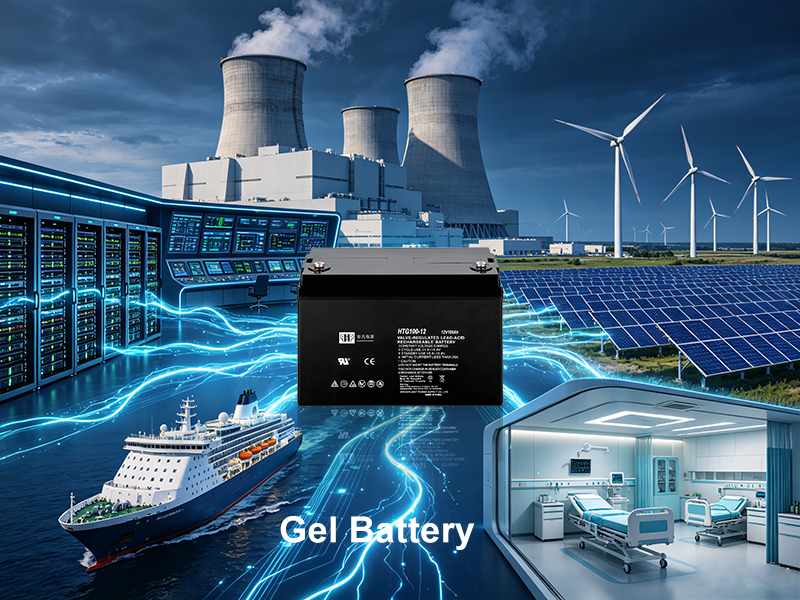
From essential telecom battery networks and reliable inverter battery off-grid systems to emergency security setups, nuclear power facilities, renewable energy farms, marine vessels, medical devices, and uninterruptible power supplies, gel batteries power the world’s most vital systems silently and reliably.
The key to unlocking their full potential lies in understanding their unique charging requirements, environmental strengths, and application-specific advantages. By leveraging these 10 industry secrets, you can avoid common setup mistakes, extend battery lifespan, and build more reliable, cost-efficient power systems for any commercial, industrial, or residential project.