
Executive Introduction: Africa’s Fast-Shifting Battery Energy Storage Landscape
Core market pain points of traditional lead-acid batteries in Africa’s harsh operational environments
Growing demand for reliable Battery For Solar solutions across off-grid and rural African communities
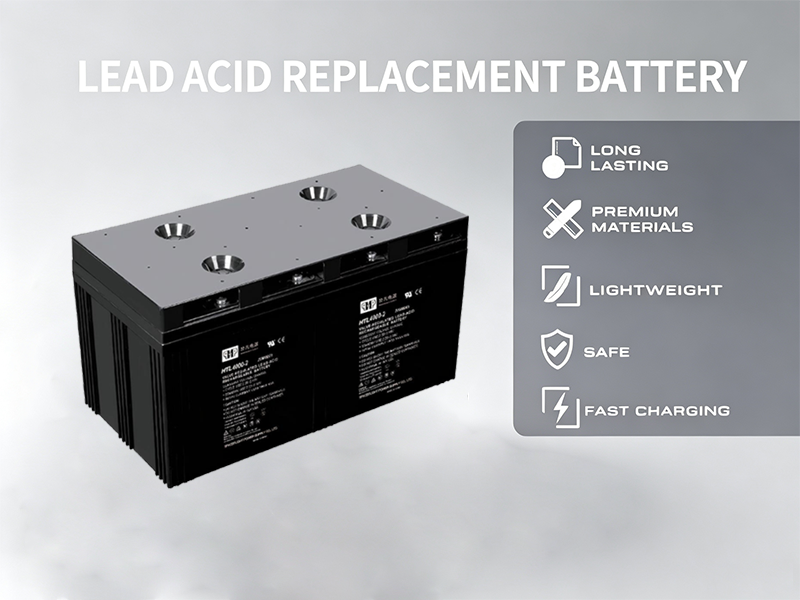
Key theme: Accelerated Lead Acid Battery Replacement driven by performance and cost-efficiency upgrades
Emergence of LiFePO4 Lithium Ion Battery and lithium storage battery as mainstream alternatives
Current Status of Africa’s Lead-Acid Battery Market
Dominance of lead-acid batteries: Market share, mainstream application scenarios (solar backup, telecom base stations, household power supply)
Inherent flaws limiting long-term development: Short cycle life, poor high-temperature resistance, high maintenance costs, low depth of discharge
Regional differences: Demand characteristics in South Africa, Nigeria, Kenya and other core African markets
Elimination pressure: Policy restrictions on lead pollution and rising recycling costs
Driving Forces for Large-Scale Lead Acid Battery Replacement in Africa
Energy demand upgrade: Boom in off-grid solar systems and microgrid construction
Economic factor: Lower total cost of ownership (TCO) of lithium storage battery in long-term operation
Technological iteration: Maturity and price decline of Rechargeable LiFePO4 Battery
Environmental and safety policies: Strict pollution control for lead-acid battery waste
Market demand for long-cycle, high-stability energy storage equipment in commercial and industrial scenarios
LiFePO4 Lithium Ion Battery: The Ideal Replacement for African Battery Markets
Core performance advantages compared with lead-acid batteries: Cycle life, high-temperature adaptability, discharge efficiency, maintenance-free design
Value of Rechargeable LiFePO4 Battery for solar energy storage: Matching intermittent solar power generation characteristics
Applicable scenarios of lithium storage battery: Household solar systems, industrial microgrids, telecom energy storage, mobile energy stations
Safety and environmental advantages: No heavy metal pollution, stable chemical properties, low fire risk
Regional Market Segmentation & Demand Characteristics Across Africa
Southern Africa: Mature solar market, rapid penetration of lithium batteries, high demand for high-end energy storage
West Africa (Nigeria, Ghana): Large off-grid population, huge incremental demand for Battery For Solar and civilian energy storage
East Africa (Kenya, Tanzania): Booming microgrid projects, policy-driven battery replacement
Central & North Africa: High-temperature environment test, higher market threshold for high-adaptability LiFePO4 products
Key Challenges Restricting the Popularization of Lithium Storage Batteries in Africa
High upfront procurement cost of LiFePO4 Lithium Ion Battery compared with traditional lead-acid batteries
Imperfect local after-sales service and technical maintenance system
Dependence on imported batteries (over 80% import dependence) and unstable supply chain
Lack of perfect lithium battery recycling system and industrial supporting facilities
Future Market Trends & 2026–2035 Industry Forecast
Continuous acceleration of Lead Acid Battery Replacement, gradual decline of lead-acid market share
Cost parity of Rechargeable LiFePO4 Battery, further expansion of civilian and industrial application scenarios
Localized industrial layout: Rise of battery assembly and recycling industries in Africa
Integration of solar + lithium energy storage, becoming the standard solution for African off-grid energy supply
Policy-driven clean energy transformation, lithium storage battery becoming the core of African new energy storage
Summary of the substitution logic between lead-acid batteries and LiFePO4 lithium batteries
Core opportunities for suppliers, investors and local dealers in the African battery market
Outlook for the long-term development of Battery For Solar and lithium energy storage tracks in Africa
Africa’s energy landscape is undergoing a profound and accelerated transformation, centered on widespread Lead Acid Battery Replacement and the rapid popularization of advanced energy storage solutions tailored for the continent’s unique operational and environmental conditions. For decades, lead-acid batteries have dominated Africa’s energy storage market, serving as the primary Battery For Solar, telecom backup power, and household emergency power supply across rural and off-grid regions that account for over 60% of Africa’s total population. However, plagued by short service life, poor high-temperature resistance, frequent maintenance needs and severe lead pollution risks, traditional lead-acid products can no longer meet the growing demand for stable, long-cycle and low-cost energy storage. In response, the LiFePO4 Lithium Ion Battery, as a high-performance lithium storage battery, and the mature Rechargeable LiFePO4 Battery series have emerged as the core driving force reshaping Africa’s battery market, triggering an unprecedented wave of energy storage technology iteration across the continent.
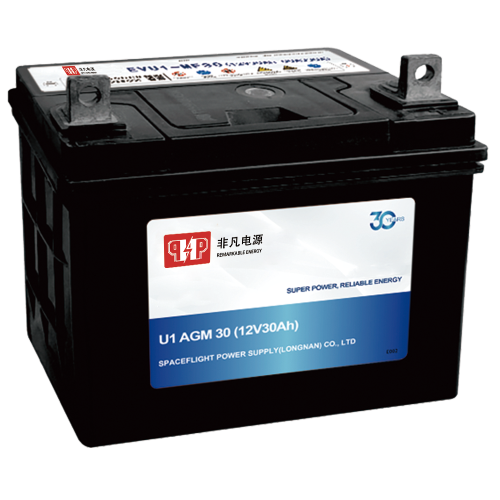
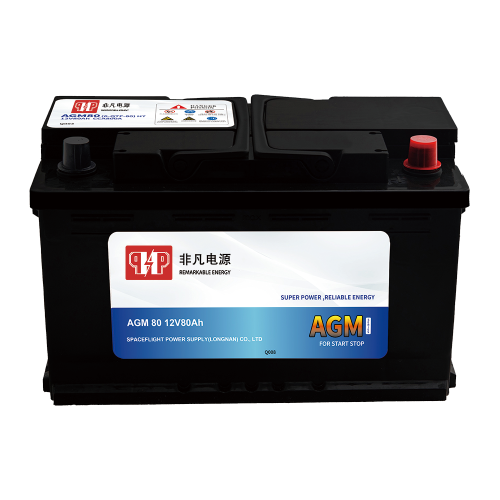
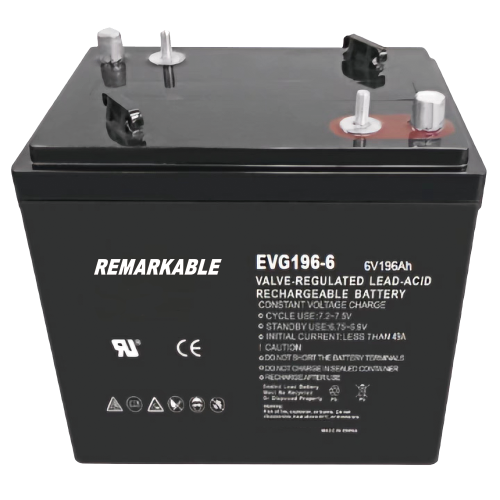
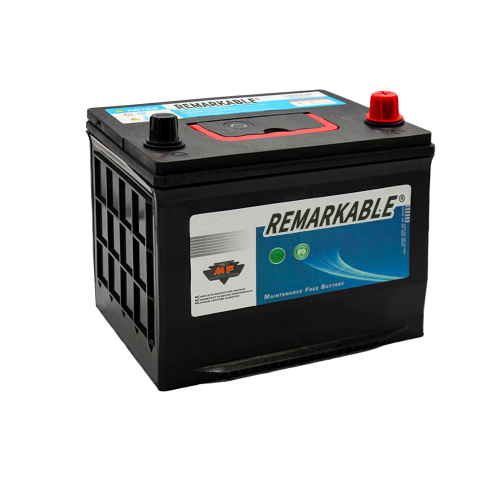
Currently, lead-acid batteries still occupy 70–80% of Africa’s low-voltage battery market shipment volume, maintaining a dominant position in low-end and price-sensitive scenarios due to their ultra-low upfront cost. Most household small solar systems, rural off-grid power backup, and basic telecom base station energy storage in Africa still rely on traditional lead-acid batteries. Nevertheless, the inherent defects of this old technology are increasingly prominent in Africa’s tropical and subtropical high-temperature environments. Lead-acid batteries suffer from severe capacity attenuation under long-term high-temperature exposure, with a cycle life of only 300–500 times, requiring frequent replacement and regular manual maintenance including water replenishment and voltage detection. For African users with limited disposable income and scarce after-sales resources, the frequent replacement cost and hidden maintenance expenses far exceed the initial procurement savings, making the large-scale Lead Acid Battery Replacement an inevitable market trend.
The booming development of solar energy is the core catalyst for the transformation of Africa’s battery market. As the most accessible renewable energy in Africa, solar power has become the primary solution to solve the continent’s power shortage and off-grid power supply problems. A large number of distributed solar microgrids, household rooftop solar systems and industrial solar power projects have been launched across South Africa, Nigeria, Kenya and other core markets, generating massive demand for high-quality Battery For Solar. Unlike lead-acid batteries that cannot support deep discharge and long-term intermittent power supply, the Rechargeable LiFePO4 Battery is specially optimized for solar energy storage scenarios. It features a super-long cycle life of 3,000–7,000 times, 80%+ deep discharge efficiency, excellent high-temperature stability, and a fully maintenance-free design, perfectly matching the intermittent and unstable power generation characteristics of solar systems.
As a mainstream lithium storage battery, the LiFePO4 Lithium Ion Battery has formed comprehensive competitive advantages over traditional lead-acid batteries in terms of total cost of ownership (TCO), performance and environmental protection. Although the one-time procurement cost of LiFePO4 batteries is 40–60% higher than that of lead-acid batteries, their service life is 6–10 times that of lead-acid products. In long-term solar energy storage and industrial energy storage scenarios, lithium batteries can effectively reduce equipment replacement frequency and maintenance costs, bringing lower comprehensive operating costs for African users. In addition, LiFePO4 batteries contain no heavy metal lead, produce no toxic waste during use, and have stable chemical properties with extremely low fire and explosion risks, which not only meets the increasingly strict environmental protection policies of African countries but also adapts to the simple and unattended operation environment of rural off-grid areas.
From a regional market perspective, the pace of Lead Acid Battery Replacement varies significantly across Africa, forming a differentiated market pattern. Southern Africa, represented by South Africa, has a mature solar energy market and strong consumer awareness of new energy products, with the penetration rate of LiFePO4 Lithium Ion Battery in commercial and industrial energy storage scenarios exceeding 25%. West African countries such as Nigeria and Ghana have a huge off-grid population, and the civilian demand for low-to-medium power Battery For Solar and household lithium storage batteries is exploding, becoming the fastest-growing incremental market for global lithium battery suppliers. East Africa, led by Kenya, is vigorously promoting rural microgrid construction with policy support, and local governments are actively guiding the elimination of high-pollution lead-acid batteries, greatly boosting the market demand for Rechargeable LiFePO4 Battery. Central and North Africa, with their extreme high-temperature and dry climates, put forward higher requirements for battery environmental adaptability, further highlighting the technical advantages of high-temperature-resistant lithium storage batteries.
Despite the broad market prospects, the large-scale popularization oflithium storage battery in Africa still faces tangible challenges. First, the high upfront cost of LiFePO4 Lithium Ion Battery still restricts its full coverage in low-income rural markets. Second, Africa’s battery supply chain is highly dependent on imports, with an import dependence rate of over 80%, leading to unstable product supply and fluctuating prices. Third, the lack of localized after-sales maintenance teams and perfect lithium battery recycling systems has affected the long-term operation of lithium energy storage equipment. However, with the continuous decline in global lithium battery prices, the gradual layout of international battery brands in Africa, and the continuous improvement of local industrial supporting facilities, these bottlenecks will be gradually broken in the next 5–10 years.
Looking ahead to 2026–2035, Africa’s battery market will enter a golden period of structural upgrading, and the process of Lead Acid Battery Replacement will continue to accelerate. Industry data predicts that lithium-ion batteries represented by LiFePO4 will capture 25–30% of Africa’s battery market share by 2035, gradually eroding the dominant position of traditional lead-acid batteries. The Rechargeable LiFePO4 Battery will become the standard configuration for Africa’s Battery For Solar, covering household energy storage, commercial microgrids, industrial backup power, telecom energy storage and other full-scenario applications. As a safe, efficient and eco-friendly lithium storage battery, the LiFePO4 Lithium Ion Battery will fully empower Africa’s clean energy transformation, solve the long-standing power supply dilemma in off-grid areas, and become a core engine driving the sustainable development of Africa’s new energy industry. For global energy storage investors and suppliers, the African battery market centered on LiFePO4 replacement contains huge incremental opportunities, and early layout will seize the first-mover advantage in this emerging blue ocean market.