
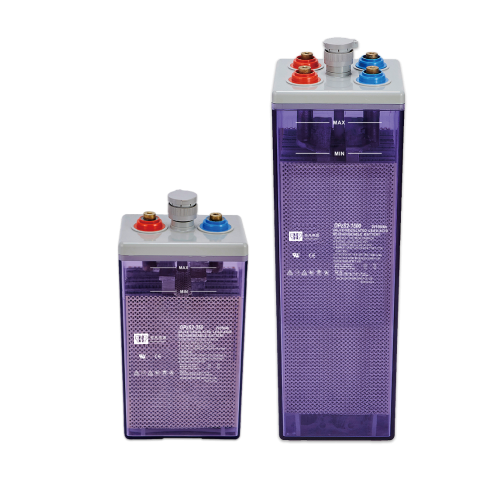
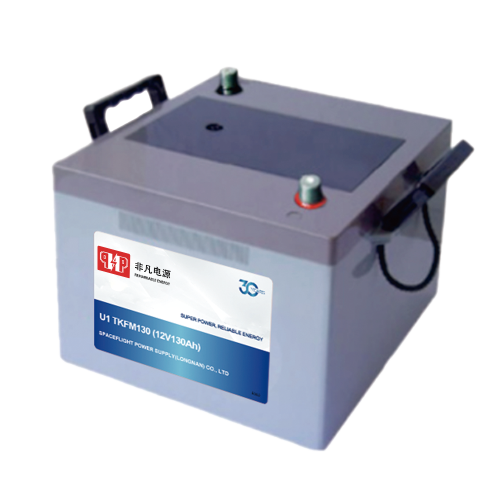
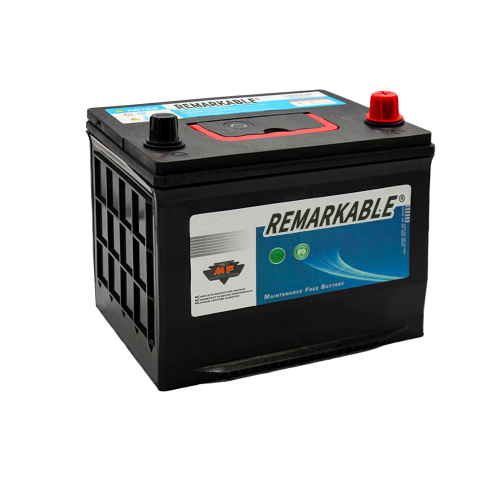
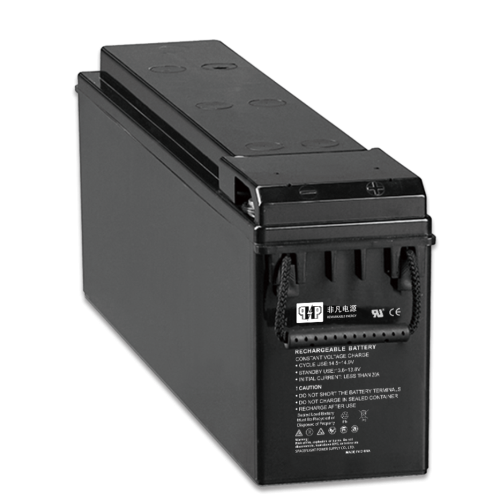
In modern industrial operations and electric vehicle ecosystems, battery performance directly determines equipment efficiency, operational stability, and long-term cost-effectiveness. Among various power storage solutions, AGM traction battery has become a mainstream choice for heavy-duty and continuous-operation scenarios, thanks to its sealed maintenance-free design, excellent vibration resistance, and reliable deep-cycle performance. However, many buyers and engineers struggle with matching the optimal battery to their scenarios, especially when distinguishing between semi traction battery, industrial battery, motive power battery, and professional Motive Power Electric Vehicle Battery variants.
Choosing a mismatched battery will lead to insufficient power output, shortened service life, frequent failures, and increased operational costs. This guide will break down the core principles, key parameters, and scenario-based selection rules to help you pick the most suitable AGM traction battery for your specific application.
Clarify Core Definitions: Distinguish Key Battery Categories
Before starting the selection process, it is essential to clarify the differences between the four core keywords, as their positioning directly defines applicable scenarios and performance standards:
AGM Traction Battery
As a high-performance sealed lead-acid battery, the AGM traction battery is designed for continuous power discharge rather than instantaneous starting power. It features low internal resistance, strong charging acceptance, and stable deep-discharge resistance, serving as the core power source for most mobile industrial equipment and low-speed electric vehicles.
Semi Traction Battery
A semi traction battery is a transitional type between starting batteries and full traction batteries. It balances instantaneous cranking performance and continuous discharge capability. Unlike professional traction batteries focused on long-cycle deep discharge, it adapts to light-duty intermittent operation scenarios, ideal for equipment with irregular working cycles and low-intensity power demands.
Industrial Battery
Industrial battery is a broad category covering all batteries for industrial fixed and mobile equipment. Industrial-grade AGM batteries prioritize extreme environment adaptability, structural robustness, and long-term stability, with stricter quality standards than civilian batteries. They can withstand high vibration, wide temperature fluctuations, and long-duration heavy-load operation, suitable for factory handling equipment, engineering machinery, and industrial backup power systems.
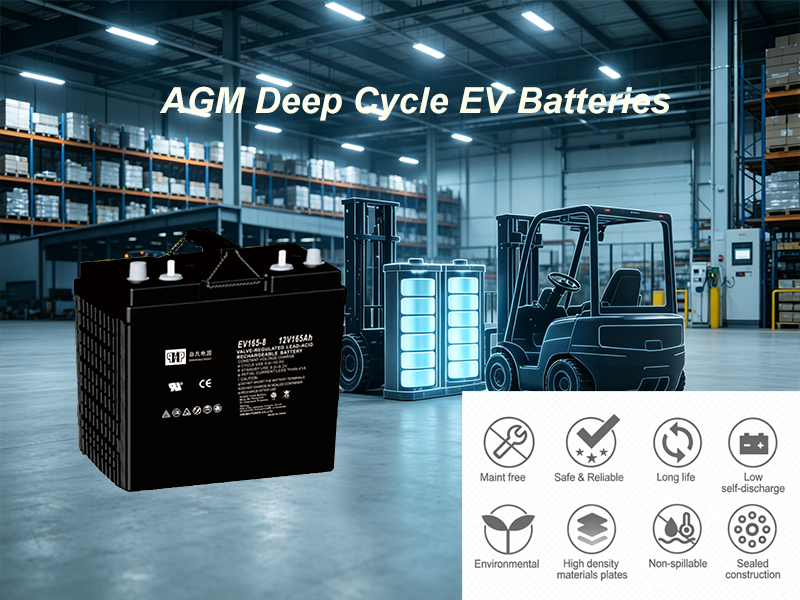
Motive Power Battery & Motive Power Electric Vehicle Battery
A motive power battery refers to all batteries that provide continuous driving power for mobile equipment, excluding starting and standby batteries. The segmented Motive Power Electric Vehicle Battery is a dedicated subtype, optimized for electric vehicle operating characteristics such as frequent start-stop, variable load discharge, and long-distance cruising. It focuses on cycle life, discharge consistency, and driving safety, complying with automotive industry certification standards.
Core Selection Criteria for AGM Traction Batteries
After clarifying product positioning, you need to screen products based on application scenarios and core performance parameters. The following five dimensions are the key to accurate selection:
Match Application Scenario & Power Demand
Different scenarios put forward completely different requirements for battery discharge modes and load capacity:
Light-duty intermittent scenarios (semi traction battery applicable): Small electric trolleys, light cleaning equipment, and low-frequency handling tools. These scenarios require moderate instantaneous power and do not need long-term deep discharge. A semi traction battery can meet daily use demands while controlling procurement costs effectively.
Heavy-duty industrial continuous scenarios (industrial battery & AGM traction battery): Electric forklifts, pallet trucks, industrial aerial work platforms, and factory automated handling equipment. Such equipment requires 4–8 hours of continuous operation, frequent deep discharge, and strong vibration resistance. High-spec industrial-grade AGM traction batteries are mandatory to ensure stable power output and long service life.
Electric vehicle driving scenarios (Motive Power Electric Vehicle Battery): Low-speed electric vehicles, sightseeing cars, community patrol vehicles, and commercial electric logistics vehicles. As professional motive power batteries for vehicles, they need to adapt to frequent start-stop, variable-speed discharge, and complex road condition vibrations, with higher requirements for discharge stability and safety consistency.
Key Performance Parameter Matching
Parameters determine battery adaptability and service life. Do not blindly pursue high parameters; precise matching is the core:
Rated Voltage & Capacity (Ah): Voltage must match the equipment system voltage (common 12V, 24V, 48V). Capacity is determined by daily working hours and load power. Excessively small capacity causes insufficient endurance and frequent charging; excessively large capacity leads to wasted installation space and increased costs.
Deep Cycle Life: The core indicator of traction batteries. Industrial and electric vehicle motive power batteries require 500–1200 deep discharge cycles, while semi traction batteries are suitable for low-cycle scenarios (300–500 cycles).
Discharge Rate: Mobile equipment requires high-rate discharge performance. AGM traction batteries support 0.5C–1C continuous discharge and short-term high-current discharge, meeting the instantaneous power demand of equipment start and acceleration.
Temperature Adaptability: Industrial and outdoor vehicle scenarios require batteries to adapt to -20°C to +60°C wide temperature range. High-quality AGM industrial batteries avoid capacity attenuation and performance failure in extreme cold and heat.
Structural & Environmental Adaptability
Different from civilian batteries, industrial and vehicle motive power batteries face harsh operating environments. AGM traction batteries feature fully sealed leakage-proof design, maintenance-free operation (no need to add electrolyte), and high-strength anti-vibration structure. For engineering machinery and off-road electric vehicles with severe vibration, prioritize industrial-grade AGM batteries with reinforced plate fixing and shockproof shell design to prevent internal structural damage.
Certification & Quality Standards
Formal industrial battery and Motive Power Electric Vehicle Battery products must pass industry authoritative certifications such as UN38.3 transportation safety certification, UL1973 safety standard, and IATF16949 automotive quality system certification. These certifications ensure battery safety, stability, and compliance with industrial and vehicle use specifications, avoiding safety hazards caused by unqualified products.
Cost & Lifecycle Benefit Balance
Although semi traction batteries have lower procurement costs, they have poor cycle performance and are not suitable for high-frequency use. Industrial-grade AGM traction batteries and professional vehicle motive power batteries have higher initial investment, but their long cycle life, low failure rate, and zero maintenance cost can significantly reduce long-term operation and replacement costs, achieving higher comprehensive cost performance.
Scenario-Based Final Selection Guide
To simplify the selection process, we summarize targeted matching rules for common scenarios:
Choose Semi Traction Battery: Light-load, low-frequency, intermittent operation equipment (small household electric tools, light-duty portable trolleys, occasional-use auxiliary equipment).
Choose Industrial AGM Traction Battery: Factory electric forklifts, industrial handling equipment, fixed mobile machinery, and indoor industrial continuous operation scenarios.
Choose Motive Power Electric Vehicle Battery: Various low-speed electric vehicles, commercial electric vehicles, sightseeing vehicles, and mobile vehicles facing complex road conditions.
General Heavy-Duty Motive Power Battery: All mobile equipment that requires long-term continuous power supply, high stability, and high safety standards.
Common Selection Mistakes to Avoid
Confusing starting batteries with traction batteries: Starting batteries only support instantaneous high-current output and cannot withstand deep cycle discharge; long-term use will cause rapid battery failure.
Blindly upgrading capacity: Excessive battery capacity will increase equipment load and power consumption, failing to improve efficiency but increasing costs.
Ignoring scenario differentiation: Using semi traction batteries for high-frequency industrial scenarios or civilian batteries for vehicle power scenarios will greatly shorten service life and bring safety risks.
Selecting a suitable AGM traction battery is not about choosing the most expensive product, but matching the most appropriate solution based on actual power demand, operating frequency, environment, and equipment attributes. By distinguishing the positioning of semi traction battery, industrial battery, motive power battery, and Motive Power Electric Vehicle Battery, and combining core parameters and scenario characteristics, you can effectively avoid selection errors, maximize battery performance, and reduce the overall operational cost of equipment.
For industrial fleet operators, equipment manufacturers, and engineering purchasers, standardized battery selection is a key step to improve equipment operation efficiency and realize refined cost management.