
As the core power component of all electric and battery-powered lawn mowers, the lawn mower battery directly determines the equipment’s working efficiency, operational stability, service life, and overall lawn care effect. Unlike ordinary consumer batteries, lawn mower batteries are designed to adapt to high-load, outdoor, and intermittent working scenarios, with strict requirements for discharge stability, temperature resistance, and cycle durability. Most user equipment failures, including insufficient cutting power, failed startup, and short working hours, stem from unreasonable battery selection or non-standard daily maintenance. Based on lawn equipment power system expertise and long-term field maintenance experience, this professional guide systematically analyzes the core types, selection logic, standardized maintenance protocols, and precise troubleshooting solutions for lawn mower batteries, helping users scientifically use and maintain batteries and minimize equipment operating costs.
In professional lawn maintenance scenarios, the battery is never a simple consumable but a key component that restricts the overall performance of the mower. Whether it is a household cordless push mower, commercial riding mower, or intelligent robotic mower, matching battery specifications and standardized maintenance management are the core prerequisites for stable operation. Many users ignore the scenario-based characteristics of lawn mower batteries, blindly replacing batteries or adopting universal electronic battery maintenance methods, resulting in shortened battery life and frequent equipment failures. This article will provide in-depth professional analysis and practical operational guidance for all core dimensions of lawn mower batteries.
Core Classification & Professional Selection Logic of Lawn Mower Batteries
Lawn mower batteries are divided into two mainstream technical systems according to electrochemical principles and application scenarios: lead-acid batteries and lithium-ion batteries. Among lead-acid variants, GEL motive power battery, GEL traction batteries, GEL semi-traction battery, and standard GEL Traction Battery stand out as professional deep-cycle power solutions specially optimized for lawn mower operating conditions. There are essential differences in structural design, discharge characteristics, environmental adaptability, and cycle life between all battery types. Professional selection must be based on mower type, working load, usage frequency and application scenarios, rather than simply referring to price parameters.
Flooded & Sealed & GEL Traction Lead-Acid Batteries
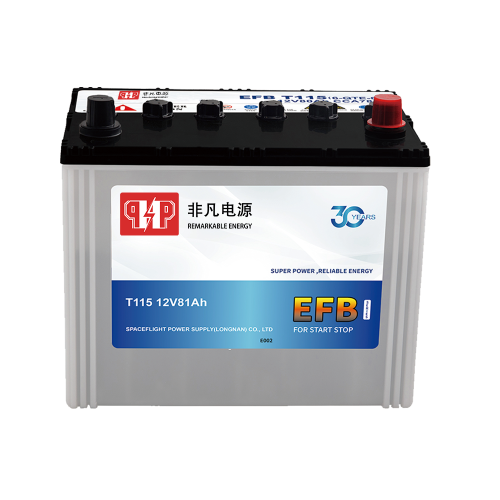
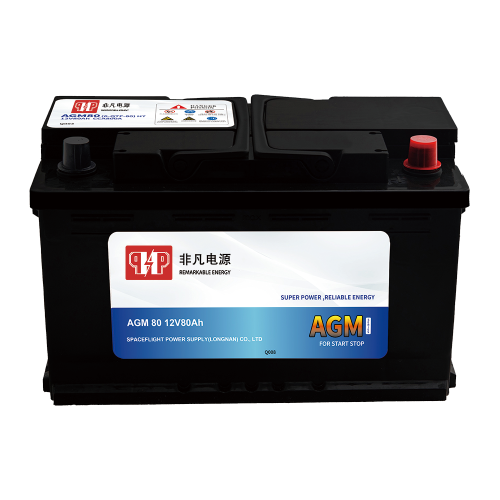
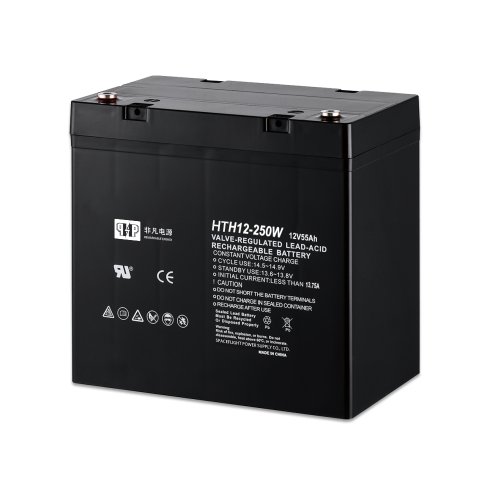
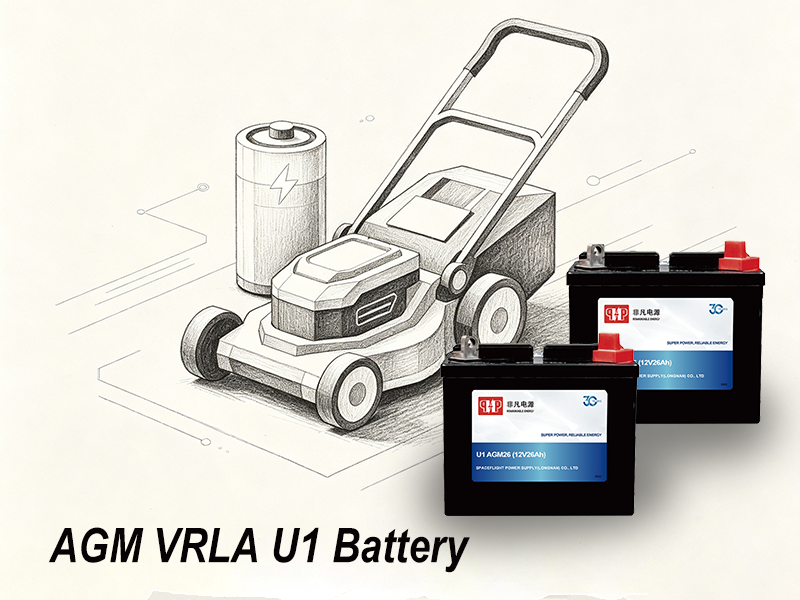
Lead-acid batteries are the classic power support for traditional fuel-assisted riding mowers and low-power old-generation electric mowers, with mainstream specifications of 6V and 12V in the market. The 12V lead-acid battery is the standard configuration for most mainstream riding mowers, providing instantaneous high surge current for engine starting; the 6V model is mainly matched with mini compact mowers and vintage equipment, featuring low power demand and stable load operation.
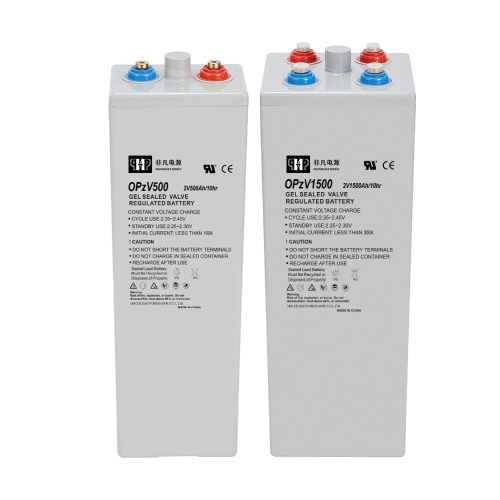
From a professional performance perspective, traditional flooded and sealed lead-acid batteries feature low manufacturing cost, strong instantaneous overload resistance, and mature anti-interference performance in complex outdoor environments, with high cost performance for medium and low-frequency use scenarios. For professional and heavy-duty lawn mower equipment, GEL Traction Battery series including GEL motive power battery, full GEL traction batteries, and GEL semi-traction battery are upgraded optimized versions of conventional lead-acid batteries. Adopting silica gel electrolyte solidification technology, these GEL-type traction batteries completely solve the electrolyte leakage problem of traditional flooded batteries, realizing full sealing and maintenance-free operation. Different in application positioning: full GEL traction batteries are designed for high-frequency, high-load continuous traction scenarios such as commercial riding mowers and large robotic mowers, supporting long-term deep cycle discharge; GEL semi-traction battery is suitable for household medium-load intermittent mowing work, balancing cycle life and cost; GEL motive power battery focuses on stable motive output, adapting to bumpy lawn terrain and frequent start-stop working conditions. Compared with ordinary lead-acid batteries, all GEL traction battery models feature stronger vibration resistance, wider temperature adaptability, lower self-discharge rate, and effective resistance to plate sulfation. With standardized maintenance, conventional lead-acid batteries last 2–5 years, while professional GEL traction battery combinations can achieve a 3–6 year service life, ideal for high-standard household and commercial lawn mower power supply scenarios.
High-Density Lithium-Ion Batteries
Lithium-ion batteries have become the mainstream configuration for modern high-efficiency lawn mowers, widely used in high-power cordless push mowers, intelligent robotic mowers, and new energy electric riding mowers. Mainstream professional lawn care brands such as EGO, Ryobi, Greenworks, and Stihl have completed the full lithiumization of their equipment power systems, relying on the unique performance advantages of lithium batteries to solve the pain points of traditional lead-acid batteries.
Professionally speaking, the core strengths of lithium-ion batteries for lawn mowers are high energy density, zero maintenance, and constant power discharge. Their lightweight and compact structure effectively reduces the walking load of manual mowers and improves the endurance and operational flexibility of robotic mowers. The most critical performance advantage is the flat discharge curve: the output power remains stable at the rated level throughout the whole discharge cycle, without power attenuation, ensuring consistent cutting effect from the start to the end of operation. In terms of service life, professional-grade lithium lawn mower batteries support 500–1000 complete charge-discharge cycles, with a service life of 4–10 years. The only limitation is the high initial procurement cost, but in high-frequency commercial lawn maintenance and long-term household use scenarios, the low failure rate and long service cycle can effectively reduce the comprehensive replacement cost, which is the optimal choice for high-standard lawn care.
Professional Maintenance Protocols to Extend Lawn Mower Battery Lifespan
The service life difference of lawn mower batteries of the same model can reach more than twice, and the core variable is whether professional standardized maintenance is implemented. Combined with field after-sales maintenance data, irregular charging, poor terminal contact, extreme temperature erosion, and long-term idle self-discharge are the four major causes of battery premature aging. The following targeted professional maintenance specifications are applicable to all types of lawn mower batteries.
Terminal Anti-Corrosion & Contact Stability Maintenance
Poor terminal contact and electrochemical corrosion are the primary causes of unstable power supply and battery virtual power failure. Lawn mowers work in outdoor environments for a long time, and grass debris, humid air, and dust are easy to accumulate on the battery terminals, resulting in oxidation and corrosion of metal contacts, increased circuit resistance, and insufficient power transmission, which further causes startup failure and power attenuation. Professional maintenance operation specifications: prepare a 5% baking soda aqueous solution to neutralize acidic corrosion substances, use a soft brush to clean the terminals and cable joints thoroughly, rinse with clean water and dry completely to avoid residual moisture causing secondary corrosion. After cleaning and drying, apply a thin layer of insulating dielectric grease on the contact surface to isolate oxygen and moisture. It is worth noting that lead-acid batteries contain sulfuric acid electrolyte, and protective gloves and goggles must be worn during operation to avoid safety accidents.
Standardized Charging Specifications for Different Battery Systems
Charging mode is the key factor determining battery cycle life, and lead-acid and lithium-ion batteries have completely different charging logic, which cannot be mixed universally. For lead-acid batteries, continuous floating charge and overcharge will cause electrolyte decomposition, plate aging and sulfation, so automatic power-off chargers must be matched, and long-term uninterrupted charging is strictly prohibited. For lithium-ion batteries, mismatched chargers with inconsistent voltage and current parameters will cause internal cell imbalance, overheating and capacity attenuation, and even trigger safety hazards such as short circuits. Professionals recommend special chargers original with the equipment, and avoid frequent deep discharge (0% power) charging. Maintaining shallow charging and shallow discharging (20%–80% power) is the best working state for lithium batteries.
Temperature Adaptation & Off-Season Storage Standards
Lawn mower batteries are highly sensitive to ambient temperature, and extreme high and low temperatures will cause irreversible damage to battery chemical structures. Low-temperature environments in autumn and winter will reduce the activity of battery internal active substances, resulting in reduced discharge capacity; high-temperature exposure in summer will accelerate battery aging and increase self-discharge rate. For off-season long-term storage, professional standards require removing the battery from the equipment, storing it in a dry, ventilated and constant temperature indoor environment, and controlling the storage power at 50%–70% (the safest state for battery chemical activity). Regular supplementary charging every 4–6 weeks is required to prevent permanent capacity loss caused by excessive self-discharge of the battery.
Regular Inspection & Scientific Activation Maintenance
Before each mowing season, a comprehensive physical and performance inspection of the battery must be carried out. Focus on checking whether the battery shell has cracks, bulges, electrolyte leakage and other physical damage, and fasten the cable connectors to ensure zero looseness. For equipment that is idle for a long time, the battery will be in a dormant state with reduced activity. Regular low-load power activation can effectively maintain the activity of internal battery cells and avoid capacity stagnation. Long-term idle abandonment is the main cause of battery scrapping in idle seasons, and standardized periodic activation can effectively extend the battery service life.
Professional Fault Diagnosis & DIY Troubleshooting Solutions
Most lawn mower battery faults are gradual failure caused by improper use, rather than sudden damage. Based on equipment maintenance big data, we summarize four high-frequency faults, and provide professional diagnosis basis and efficient repair schemes to help users quickly locate problems and solve them, avoiding blind replacement.
Equipment Startup Failure
Startup failure is the most common battery-related fault. The professional diagnosis sequence is: first detect the battery residual power, and recharge if the power is insufficient; second, check whether the terminals are corroded and the connectors are loose, eliminate circuit connection faults; finally, use a multimeter to detect the battery open-circuit voltage. If the voltage is lower than the rated standard value after full charging, it indicates that the battery cell has aging damage and insufficient discharge capacity, and the battery needs to be replaced. This step-by-step diagnosis can effectively eliminate mechanical faults of the equipment itself and accurately locate battery faults.
Abnormal Clicking Noise During Startup
The repetitive clicking sound of the mower during startup is a typical signal of insufficient battery instantaneous discharge current. The battery cannot provide the instantaneous high power required by the starter motor, which is mainly caused by battery capacity decline or parasitic power consumption of the equipment circuit. The professional solution is to fully charge the battery and test the startup again. If the fault persists, check the equipment circuit for hidden power consumption faults. If the circuit is normal, it means the battery has aging attenuation and cannot support high-load startup, and replacement is required.
Battery Cannot Sustain Effective Charge
The phenomenon that the battery is fully charged but quickly depleted is defined as charge retention failure in professional maintenance. For lead-acid batteries, the main causes are plate sulfation and electrolyte failure; for lithium batteries, it is internal cell imbalance and capacity attenuation caused by long-term deep discharge and overcharge. For new batteries with short service time, the fault can be eliminated by cleaning terminals, calibrating charging parameters and activating cells. For aging batteries that have reached the service cycle, the internal chemical structure is irreversibly damaged, and no maintenance means can restore the capacity, so replacement is the only solution.
Sharply Reduced Working Runtime
If the working duration of the fully charged battery is significantly shorter than the factory standard, it is necessary to distinguish between equipment load faults and battery faults first. First, eliminate external load factors such as blocked cutter blades, excessive grass layer thickness, and mechanical jamming. If the equipment operates normally with no load but has insufficient endurance under working load, it can be judged that the battery has partial cell damage and effective capacity attenuation, which is a typical aging failure of lawn mower batteries after long-term high-load operation.
Professional Summary & Optimization Suggestions
For household low-frequency users, cost-matched ordinary lead-acid batteries can meet daily use needs with standardized maintenance; for medium and high-frequency household use, bumpy lawn terrain and light commercial scenarios,GEL semi-traction battery and GEL motive power battery are cost-effective upgraded options with maintenance-free and anti-aging advantages; for high-intensity commercial lawn maintenance and all-day continuous operation equipment, full GEL traction batteries and high-density lithium-ion batteries with long life and stable performance are more in line with long-term cost reduction and efficiency improvement needs. Adhering to professional battery management habits for lithium, lead-acid and GEL Traction Battery series can effectively avoid premature battery failure, reduce equipment maintenance costs, and ensure stable and efficient operation of lawn mowing equipment throughout the season.
For household low-frequency users, cost-matched lead-acid batteries can meet daily use needs with standardized maintenance; for high-frequency household use and commercial lawn maintenance scenarios, high-density lithium-ion batteries with long life and stable performance are more in line with long-term cost reduction and efficiency improvement needs. Adhering to professional battery management habits can effectively avoid premature battery failure, reduce equipment maintenance costs, and ensure stable and efficient operation of lawn mowing equipment throughout the season.